Advanced 3D scanning technology engineered for speed, accuracy, and consistency. Using AI and computer vision, our system captures and processes detailed body data in seconds to produce more than 240 precise measurements for apparel, wellness, research, and other applications. Each scan generates a realistic digital body model that can be visualized, analyzed, and compared for deeper insight.
Built on decades of innovation in body measurement, Size Stream’s technology combines hardware and software into one seamless platform that adapts to your workflow. Whether scanning through a mobile device or an in-store system, our technology delivers reliable and repeatable results that help businesses make confident, data-driven decisions at scale.
Core Technologies
Mobile Scanning: Size Stream’s mobile scanning technology captures accurate body data using only a smartphone or tablet. Guided poses and AI-driven processing create a detailed 3D body model and generate more than 240 precise measurements in seconds. This approach removes the need for specialized hardware while delivering consistent, repeatable results across locations and use cases.
3D Avatars: Each scan produces a realistic 3D body avatar that visually represents the individual being measured. These avatars allow users to review body shape, compare changes over time, and validate fit visually. The combination of accurate measurements and visual models makes sizing, progress tracking, and analysis more intuitive and actionable.

APIs & SDKs: Size Stream provides flexible APIs and SDKs that allow businesses to integrate body measurement data directly into their own platforms and applications. These tools support seamless data exchange, enabling sizing logic, product configuration, analytics, and reporting to fit naturally into existing workflows. Integration options are designed to scale and adapt as business needs evolve.
Clothing Configurators: Accurate body data powers clothing configurators that support personalized and made-to-measure apparel. Size Stream measurements can be used to automatically adjust patterns, recommend sizes, or configure garments based on individual fit requirements. This enables faster production, fewer remakes, and more consistent outcomes across custom and on-demand programs.
Data Management : Size Stream securely manages body measurement data with a focus on consistency, control, and privacy. Data is encrypted and processed according to global standards, giving clients full visibility and control over how information is stored and used. Reliable data management ensures measurements remain accurate, accessible, and ready for analysis over time.
E-commerce Integrations : Size Stream integrates with e-commerce platforms to improve online sizing experiences. By using accurate body measurements instead of guesswork, brands can provide better size recommendations, reduce returns, and increase customer confidence. These integrations help bridge the gap between digital shopping and real-world fit.
Virtual Try-On : Virtual try-on experiences are enabled through the combination of 3D body avatars and accurate measurement data. This technology allows users to visualize how garments may fit and appear on their own body, supporting better purchase decisions and engagement. Virtual try-on adds an interactive layer to both retail and digital experiences without relying on assumptions or generic models.
3D Body Scanner Technologies That Work Wherever You Do
Size Stream’s platform is built to perform in any environment. Whether you need mobile flexibility, on-site precision, or a hybrid approach, our deployment options make it easy to capture consistent, high-quality data that fits your workflow.
Mobile Scanning: Use the camera on a smartphone or tablet to capture full-body scans from anywhere. This option gives users complete flexibility, capturing measurements in seconds from just two poses. Ideal for remote clients, field teams, or consumer-facing applications.
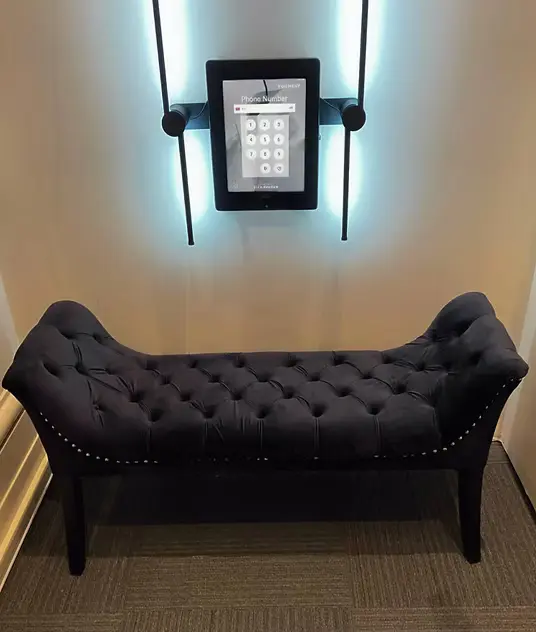
In-Person Scanning Systems: Our fully portable, dedicated scanning units are designed for retail, manufacturing, and research environments. Each system is designed for high throughput, fast onboarding, and consistent results wherever your customers are.
No matter which scanning method fits your workflow, every Size Stream system is built to the same measurement standards. A scan captured on a mobile device delivers the same precision and consistency as one taken on a dedicated in-person unit. This means your teams, partners, and customers can trust the data, whether it’s collected in a retail fitting room, a remote research setting, or anywhere in between.
Measurement Engine
The Size Stream Measurement Engine transforms every scan into a complete and accurate 3D body model. Using advanced algorithms developed through millions of scans, it identifies key landmarks and captures more than 240 precise measurements with consistent accuracy.
Each 3D model provides a realistic digital representation of the person being scanned, allowing users to view, analyze, and compare results visually. This makes it easy to evaluate fit, track progress, or study body changes over time.
Measurements are calculated automatically and remain accurate across different devices and environments. Whether used for apparel design, wellness tracking, or research, the data and 3D models generated by Size Stream deliver dependable, repeatable results every time.
Performance & Accuracy
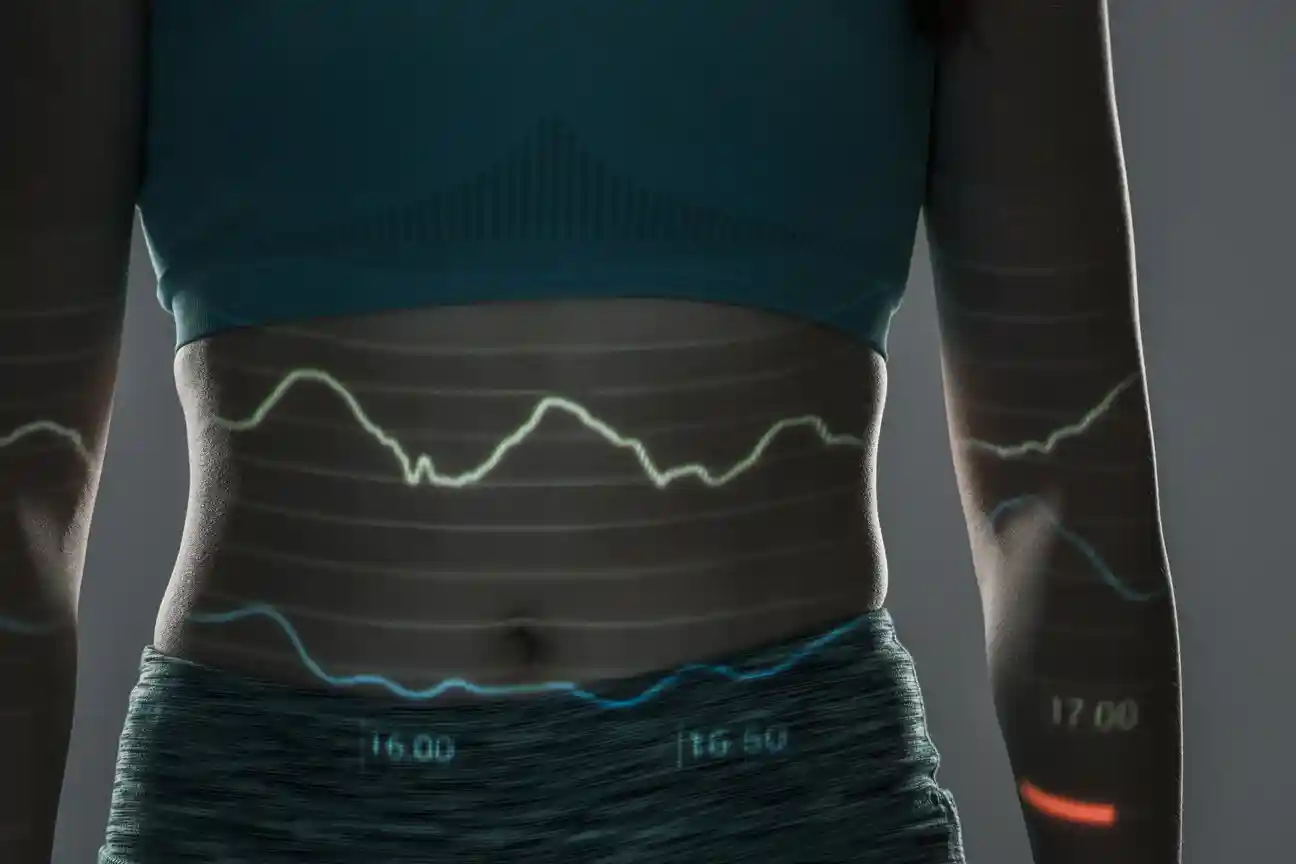
Every Size Stream system is designed to deliver accuracy and reliability at scale. Our 3D body measurement technology has been shown to be more than twice as consistent as traditional manual hand-measuring methods with accuracy validated through millions of scans conducted across apparel, wellness, and research applications.
Each scan produces over 240 precise measurements in seconds, with results that remain consistent across devices and environments. This level of precision helps businesses reduce errors, save time, and make confident decisions based on reliable data.
From large-scale uniform programs to medical tracking and made-to-measure manufacturing, Size Stream technology provides the dependable performance needed to ensure every measurement matters.
API & E-Commerce Integration
Size Stream’s technology is built to work with the systems you already use. Our API and SDK options make it simple to connect body measurement data to your own applications, platforms, or software tools.
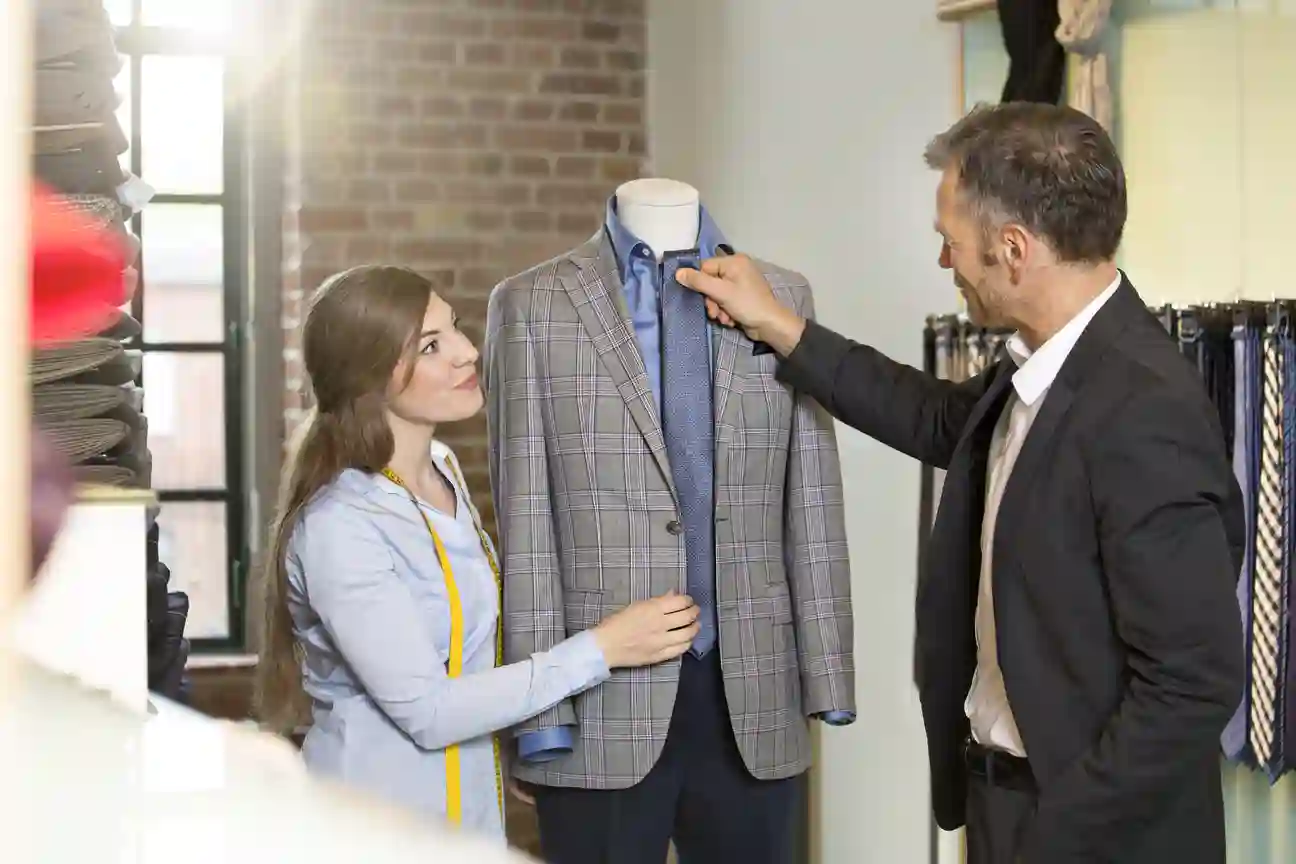
Businesses can integrate Size Stream into e-commerce platforms to automate size recommendations, connect to manufacturing systems to drive made-to-measure production, or embed into wellness and research software for progress tracking and analysis.
The process is flexible and secure, allowing you to maintain full control over branding, data, and user experience. White-label options are available for partners and enterprise clients who want to integrate Size Stream technology under their own brand.
Whether you need to automate sizing, improve personalization, or gather measurement data for deeper analysis, Size Stream’s integration tools make it easy to bring accurate 3D body data into your existing digital ecosystem.